Signs you need this
- • Brown or yellow ring stain on a ceiling or wall
- • Paint bubbling or blistering on a ceiling or wall
- • Soft, spongy, or crumbling drywall when pressed
- • Sagging or bowing ceiling panel
- • Visible mold spots or a persistent mildew smell
- • Peeling tape at a previously intact seam
What the service involves
Water damage drywall repair removes panels that absorbed moisture, assesses the framing and insulation behind them, and reinstalls new board — using moisture-resistant product where conditions or history call for it. Unlike painting over a stain, proper repair removes the compromised material so the problem doesn’t resurface on a home inspector’s report or an insurance adjuster’s scope.
Assessment before any work starts
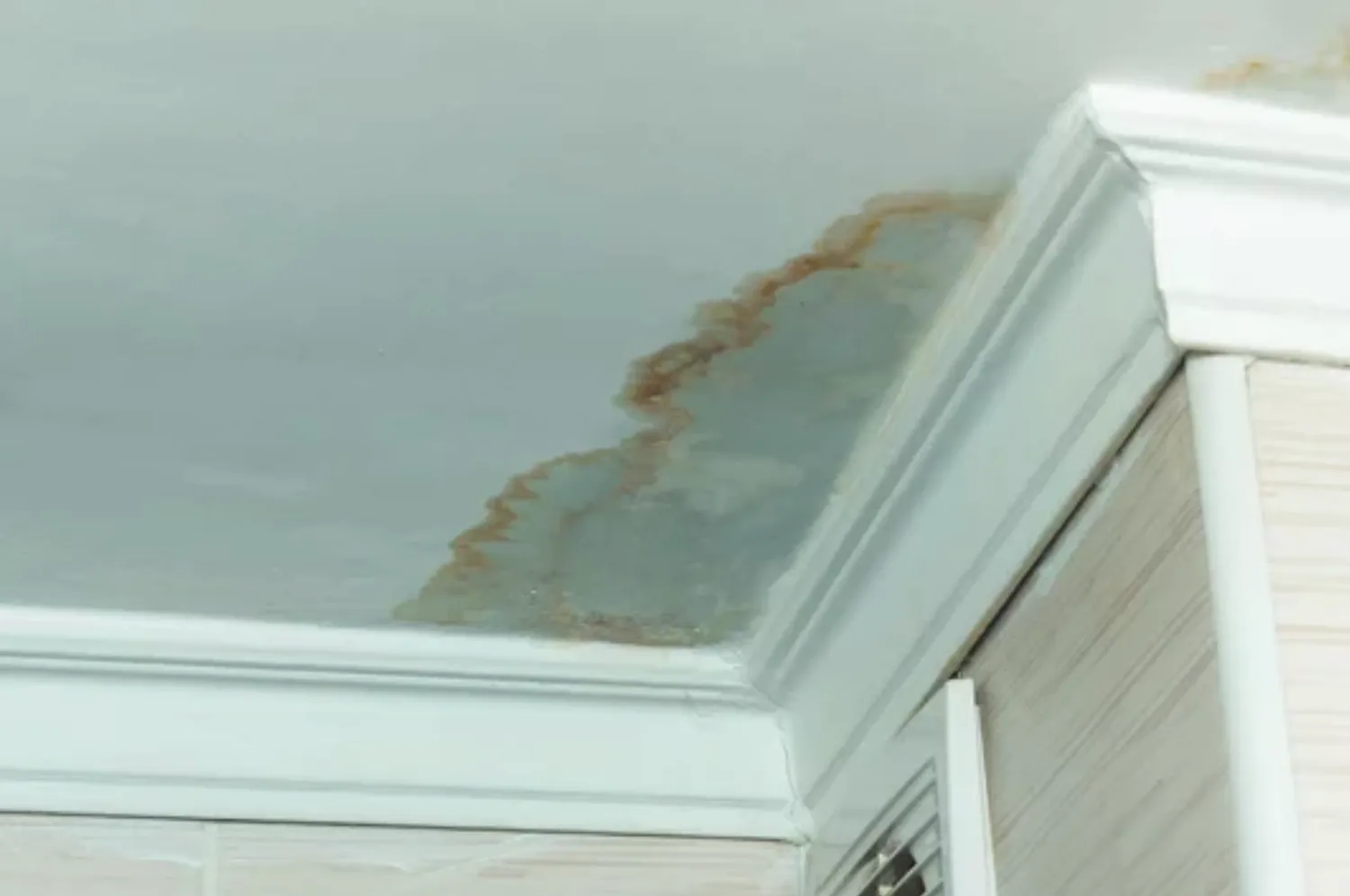
The visible stain is almost never the moisture boundary. Before we quote, we probe the surrounding area with a moisture meter — checking adjacent panels, the framing, and the insulation behind every panel that shows surface damage. A burst pipe or roof leak may have traveled down a joist run, through batt insulation, and into an adjacent wall section that looks dry from the surface. We identify the full extent before opening the wall, not after.
Board selection on every water damage job
For any area with water intrusion history or elevated humidity exposure — coastal properties, below-grade spaces, condo units with a history of upper-floor leaks — we reinstall with USG Sheetrock PURPLE, National Gypsum Gold Bond eXP, or CertainTeed GlasRoc. These boards use fiberglass facing instead of paper, which eliminates the primary moisture pathway into the gypsum core. Standard drywall in a repair that could recur is the wrong call regardless of how minor the original leak appeared.
Mold coordination
If we open the wall and find mold on the framing, we stop, document, and coordinate with a CT-licensed mold remediation contractor. We don’t reinstall until the substrate passes an air quality clearance test. Drywall over mold-contaminated framing doesn’t solve the problem and creates a disclosure issue. In Shippan Peninsula and South End properties with salt-air humidity exposure, mold risk exists even when a leak seems minor and brief — warm months accelerate growth significantly.
Insurance documentation
For insurance claims, we provide itemized scope documentation in the format Connecticut adjusters require: board footage, board type, finish level, labor breakdown. We communicate directly with adjusters, can be on-site for the inspection, and work within the adjuster’s approval timeline before starting. The written scope and material records we produce are what the closeout file needs.
Finish and texture match
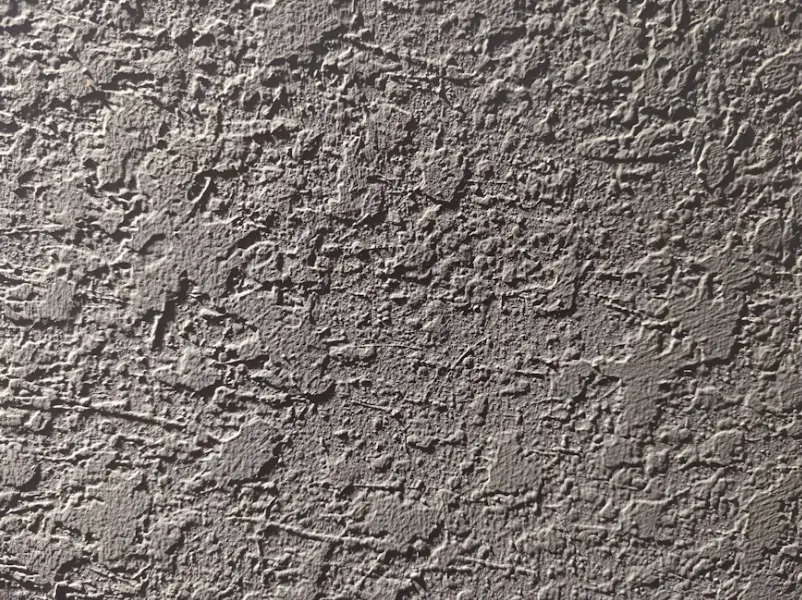
Once reinstall is done, the repair is finished to GA-216 Level 4 — seams taped and feathered, fasteners covered, surface consistent. Existing textures (knockdown, orange peel, hand-applied finishes) are sampled against the surrounding surface before application. We prime before handoff.
When to wait before calling us
If the leak source hasn’t been resolved — the plumbing isn’t fixed, the roof still leaks — we reinstall after the source is confirmed repaired. Putting new drywall back during active moisture intrusion is wasted work. If mold is extensive beyond the surface panels, full remediation comes first. If the ceiling failure is structural (rotted joists), a framing contractor addresses that before we reinstall the surface.
Materials & standards
Products & materials we use
- USG Sheetrock PURPLE (moisture/mold-resistant)
- National Gypsum Gold Bond eXP
- CertainTeed GlasRoc
- PVA drywall primer
Standards & codes we work to
- GA-216 finish levels (Level 4 / 5)
- EPA NESHAP (asbestos in pre-1979 texture)
- CT-licensed mold remediation + air-quality clearance
What the terms mean
- Moisture meter mapping
- Vapor drive / cavity-side mold
- Knockdown & orange-peel texture matching
- Insurance scope documentation
Options & variants
| Option | When it applies | Cost |
|---|---|---|
| Surface stain repair | Brief exposure, board firm, paper face intact (uncommon) | Lower |
| Single panel replacement | One panel affected, framing dry | Mid |
| Multi-panel replacement | Leak spread across panels or joists | Higher |
| Full section + framing treatment | Mold on framing; remediation + clearance | Highest |
| Moisture-resistant reinstall | Coastal, below-grade, or repeat-leak areas | Material premium |
| Insurance documentation scope | Adjuster involved | Time added |
What affects cost
- • Square footage of damaged drywall — the largest single variable.
- • Ceiling vs. wall — ceilings take more labor and carry collapse risk during removal.
- • Number of layers — older homes may have drywall over plaster; both can need removal.
- • Framing and insulation damage — compromised joists or insulation must be addressed first.
- • Mold presence — triggers separate CT-licensed remediation and a clearance test.
- • Board type — moisture-resistant board costs more; the correct call in coastal and condo conditions.
- • Finish and texture match — matching knockdown, orange peel, or hand-applied finishes adds labor.
- • Access — vaulted ceilings, furnished rooms, or occupied condos extend setup and cleanup.
- • Insurance documentation — adjuster coordination and itemized scope add front-end time.
Price ranges
Low end
$150–$1,200
Single panel, no framing damage, standard or moisture-resistant board, matching texture.
Typical
$350–$3,000
2–5 panels in one area, moisture-resistant reinstall, texture match, basic insurance documentation.
High end
$1,200–$7,500+
Multi-room or large section, mold coordination, framing treatment, full insurance package.
What to expect
- 1
On-site assessment
We probe with a moisture meter and check framing and insulation behind the panel before quoting — the visible stain is rarely the moisture boundary.
- 2
Scope and quote
Written quote covering board footage, board type, finish, and any remediation; insurance jobs formatted to CT adjuster requirements.
- 3
Insurance adjuster coordination
For claims, we communicate with your adjuster, can be on-site for inspection, and hold to their approval timeline.
- 4
Removal and substrate assessment
Damaged board comes out; if framing is dry we proceed, if there's mold we stop and document.
- 5
Mold remediation coordination
When mold is found, we sequence around a CT-licensed remediation contractor and reinstall after clearance.
- 6
Reinstall
Moisture-resistant or standard board, correct fastener schedule, taped seams; condos coordinated with building management.
- 7
Finish and texture match
Compound to GA-216 Level 4; existing textures sampled and matched before application.
- 8
Handoff
Primed, paint-ready, with written scope and material documentation for insurance or records.
When this isn’t the right call
- If the leak source hasn't been fixed → resolve the plumbing, roof, or appliance failure first; we reinstall after.
- If mold is extensive in the wall cavity → full remediation comes first; we coordinate and return after clearance.
- If damage is only cosmetic → a skim coat or spot prime may be enough; we'll tell you on-site.
- If the ceiling failure is structural → rotted joists need a framing contractor before drywall goes back.
- If water damage is widespread beyond drywall → flooring and cabinetry may need separate trades.
Frequently asked questions
Does water-damaged drywall always need to be replaced? +
Not always — but usually. If the board got wet and dried in place, the paper face is likely compromised even if the surface looks fine, and it won't hold paint correctly. We only skip replacement if exposure was very brief, the board is firm, and the paper face is intact. We assess on-site and tell you honestly.
Is there always mold behind water-damaged drywall? +
No — but the risk is real if moisture was present more than 24–48 hours or the area had repeated exposure. In Shippan and South End properties, salt-air humidity raises the risk. We check behind every panel we remove and, if there's mold on the framing, stop and coordinate remediation before closing the wall.
Can I wait a few weeks to fix the drywall after the leak is repaired? +
A few days is fine. A few weeks — especially in summer — may not be. Mold advances quickly in warm, humid conditions, and Stamford's May–September humidity accelerates it. We recommend removing the damaged board within 1–2 weeks of the leak being resolved.
Do you work with my insurance company on water damage claims? +
Yes. We provide itemized scope documentation in the format Connecticut adjusters require — board footage, material type, labor breakdown — and communicate directly with adjusters, including being on-site for the inspection. We work within your adjuster's approval timeline before starting.
The damage in my condo came from the unit above me — how does that work? +
We handle condo water damage regularly in Downtown Stamford and Harbor Point. We coordinate access and timing with building management, format scope documentation to support a building or HOA insurance claim alongside yours, and follow building rules for staging and debris removal.
How long does the repair take? +
Single-panel repairs are typically one visit, a few hours. Multi-panel or mold-coordinated jobs run 2–4 days with required dry time between mud coats. Insurance-coordinated jobs add time up front for adjuster approval. You get a specific timeline in the written quote.
Can you match my existing ceiling or wall texture after the repair? +
Yes. We sample the existing texture and test the match against a low-visibility area before applying. Older North Stamford and Greenwich homes often have hand-applied textures that can't be machine-replicated; we test first because a mismatch shows under raking light.
Will the repair be visible after painting? +
Not if it's done correctly. The keys are finishing to GA-216 Level 4 — seams feathered, fasteners covered, surface consistent — and priming before paint. Skipping the prime coat is what makes patches read differently. We prime the repair area before handoff.