Water Damage Drywall Repair
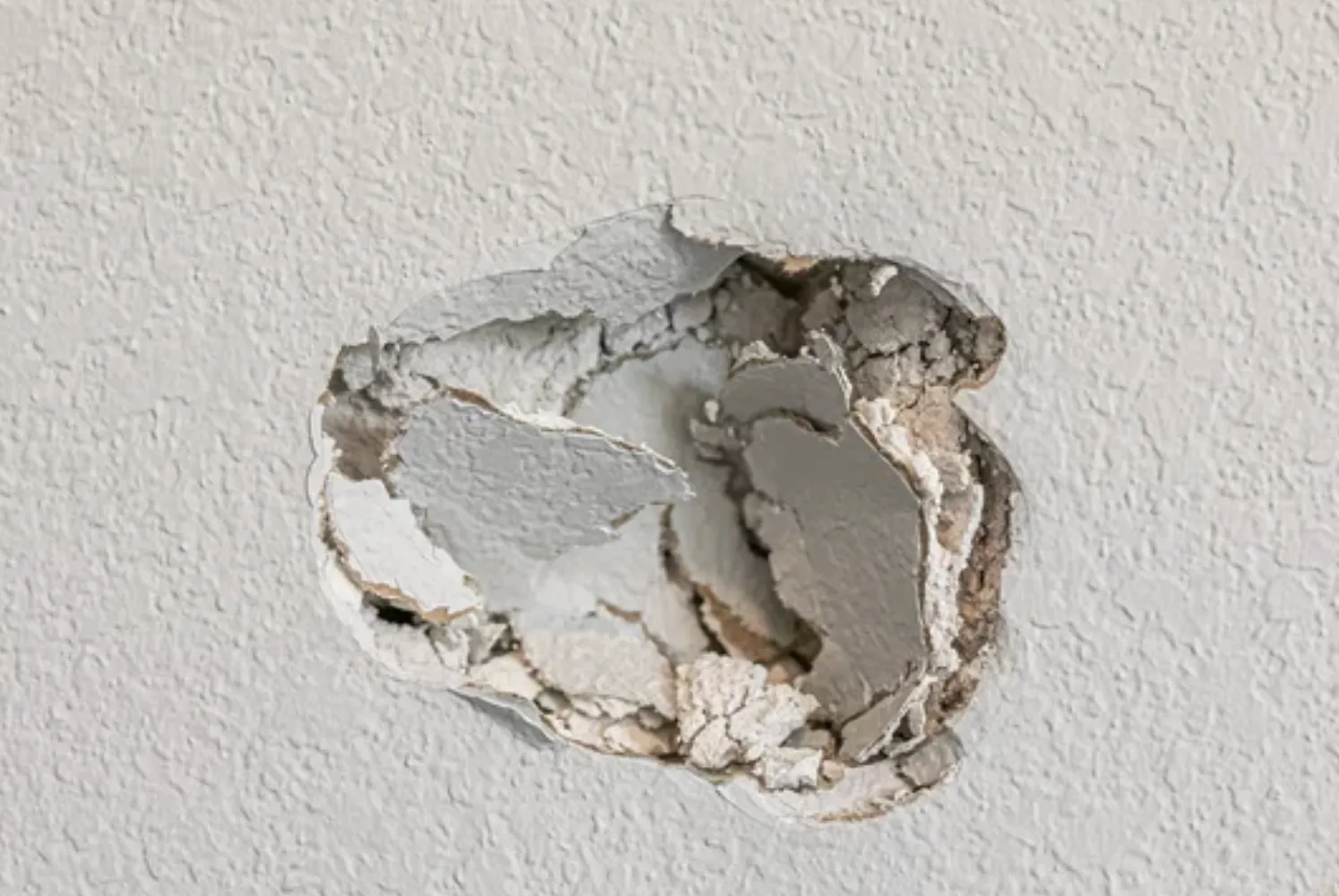
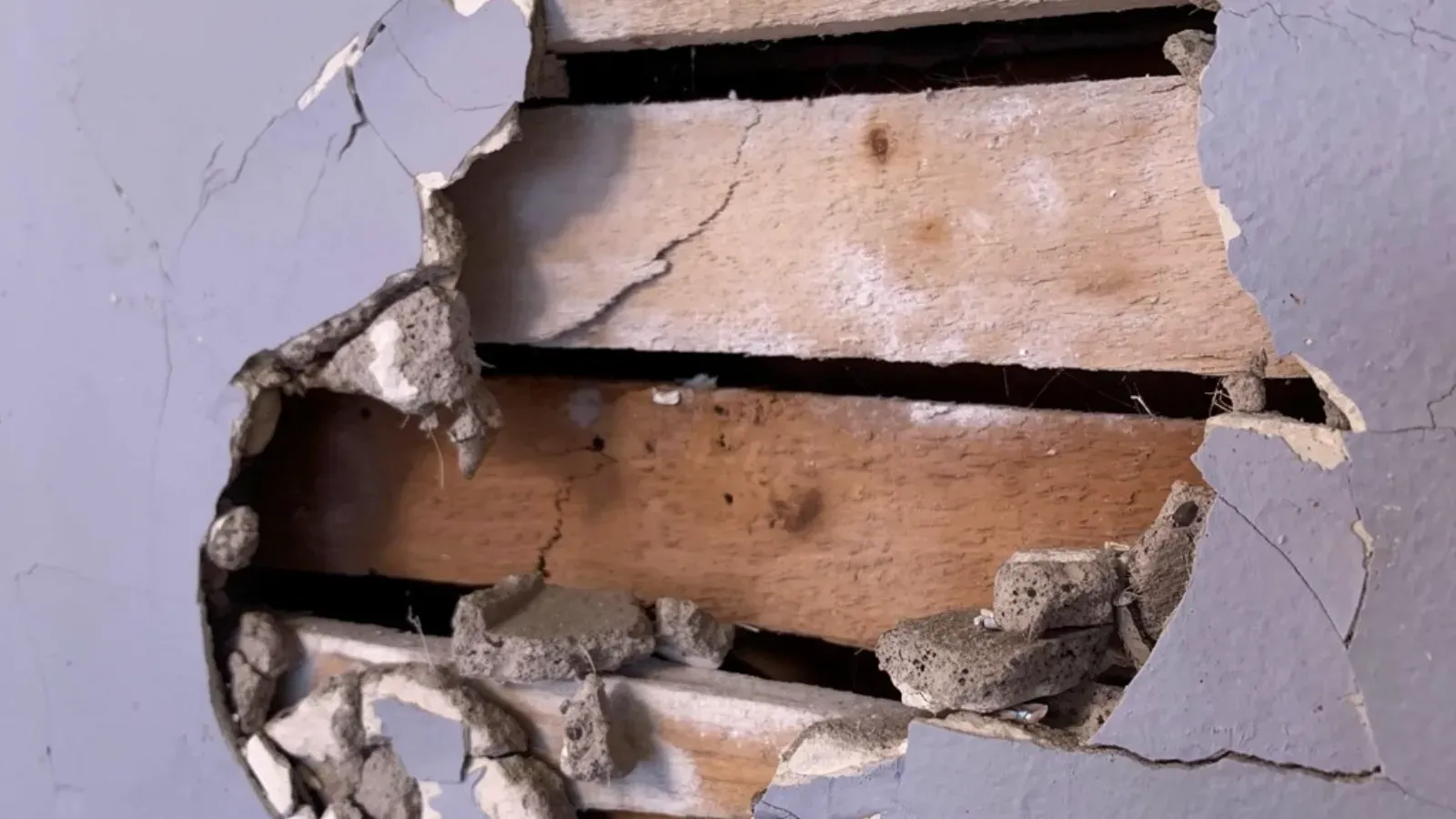
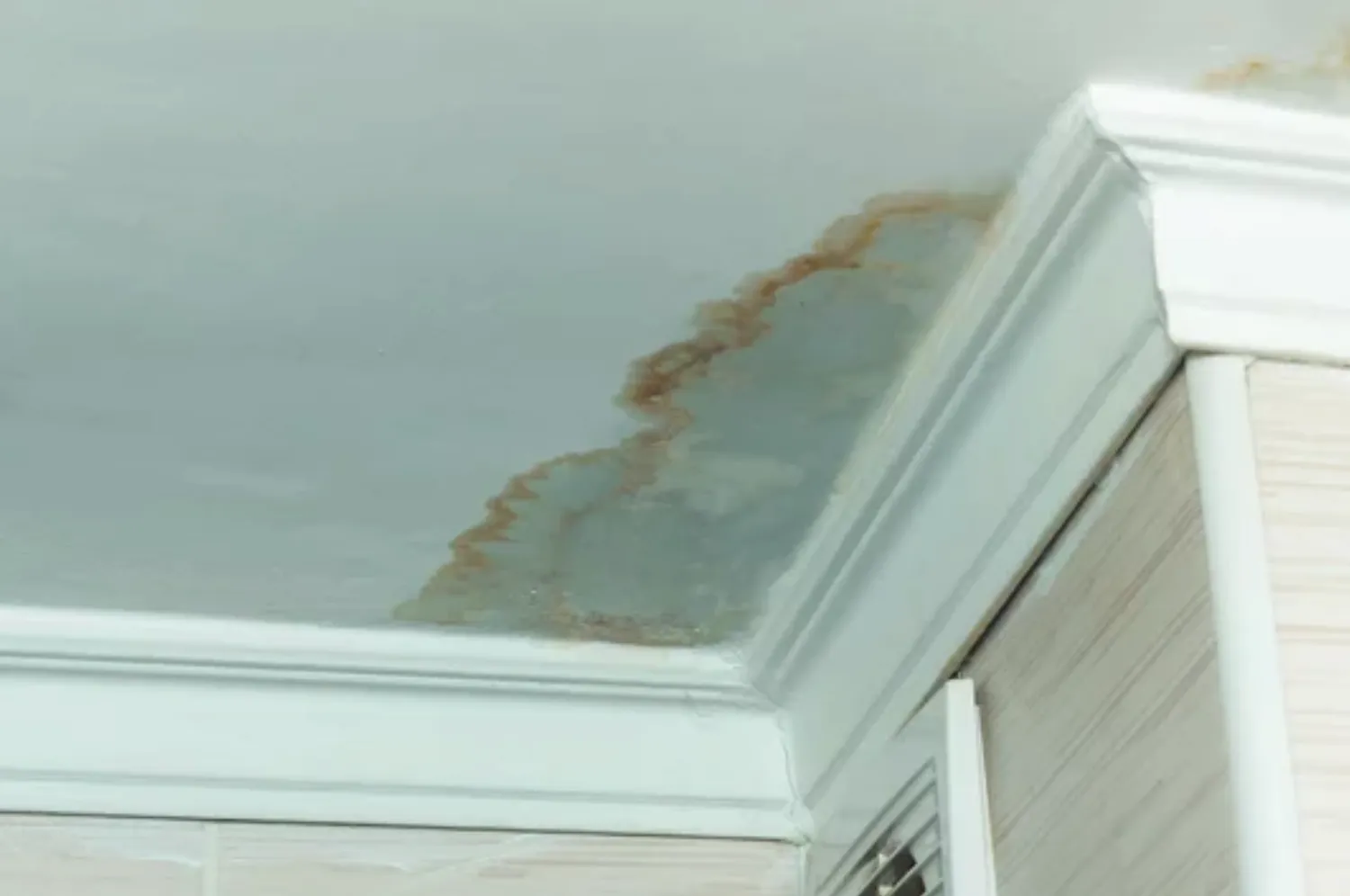
A brown ring spreading across a ceiling after a Nor'easter, or a wall gone soft and bulging near grade after storm surge pushed water against a coastal foundation, is a different failure mode than a slow plumbing leak. Stamford's Sound-facing neighborhoods, Shippan Point and The Cove especially, see surge and wind-driven rain get into wall cavities at or near grade before anyone notices, and the wall can look merely damp on the surface while the framing behind it is saturated. We don't treat a dried-looking wall as a dry wall — every assessment starts with a moisture meter run across the surrounding board and into the framing, because gypsum loses its structural bond to the paper facing well before it looks visibly ruined.
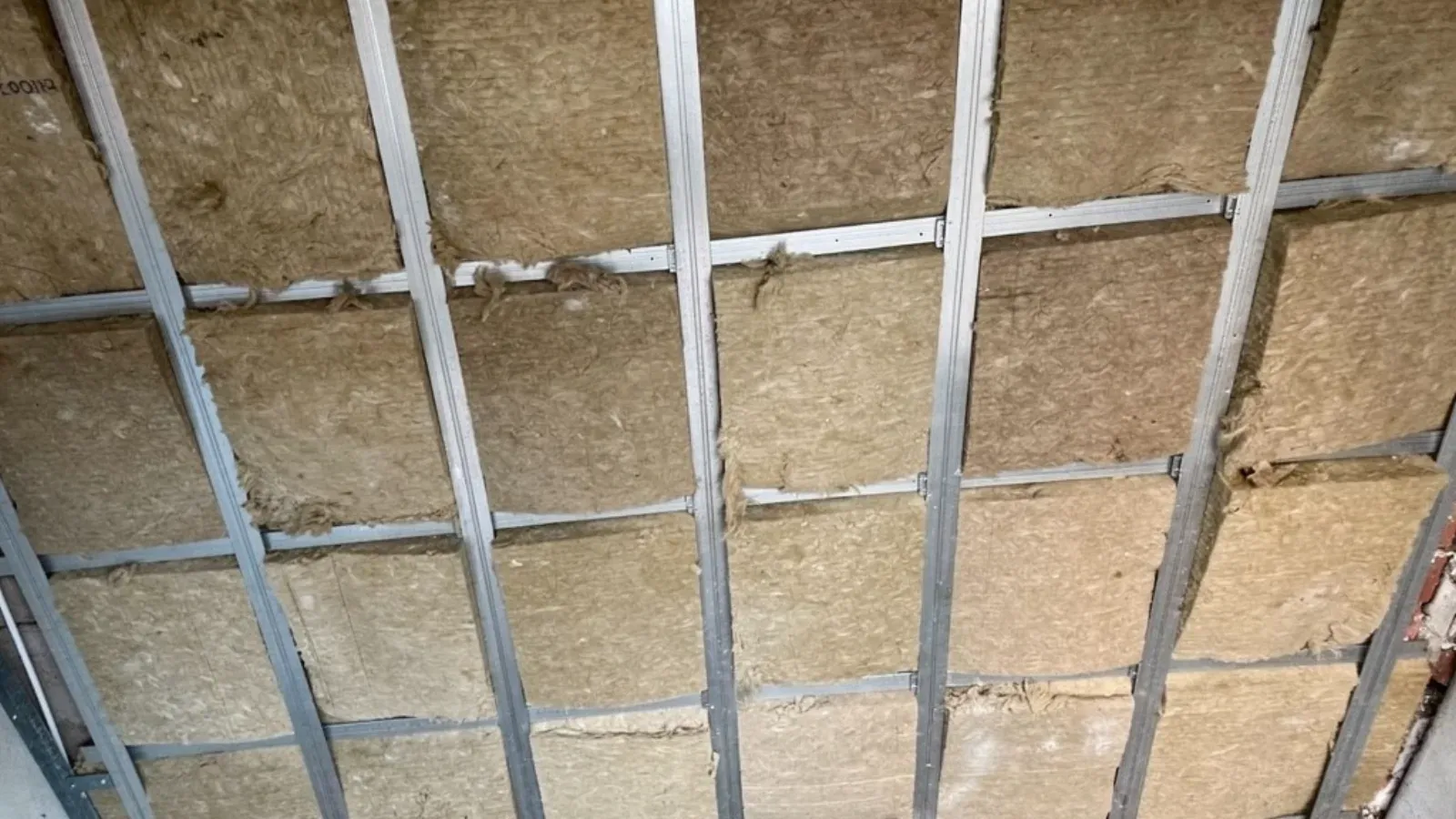
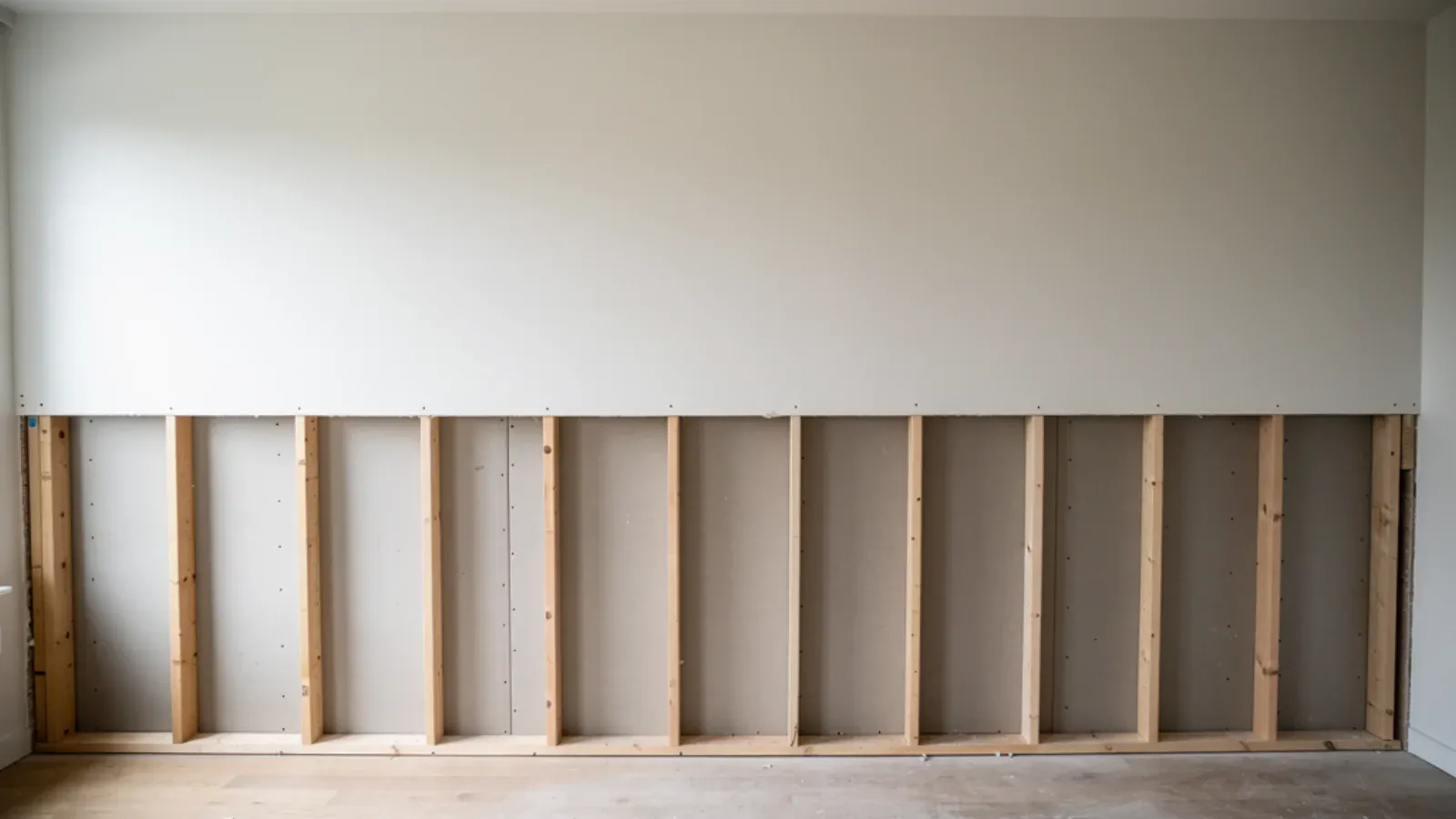
Mould can begin developing in a wall or ceiling cavity within about 48 hours of standing moisture, which is why water damage sits in the emergency tier rather than something scheduled around convenience. The water source has to be confirmed stopped before any drywall work starts, compromised board and wet insulation come out entirely rather than getting patched around, and the framing is dried and verified below a safe threshold before new board goes up. Where a homeowner is filing an insurance claim, we photograph and record moisture readings as part of the assessment so the claim reflects the actual extent of the damage, not just what's visible after drywall goes back up. What the repair costs depends on how far the moisture traveled, whether mould has developed, and how many rooms are affected.